
A place built for a disease that no longer exists.
The only human disease to be eradicated so far.
A hospital for smallpox
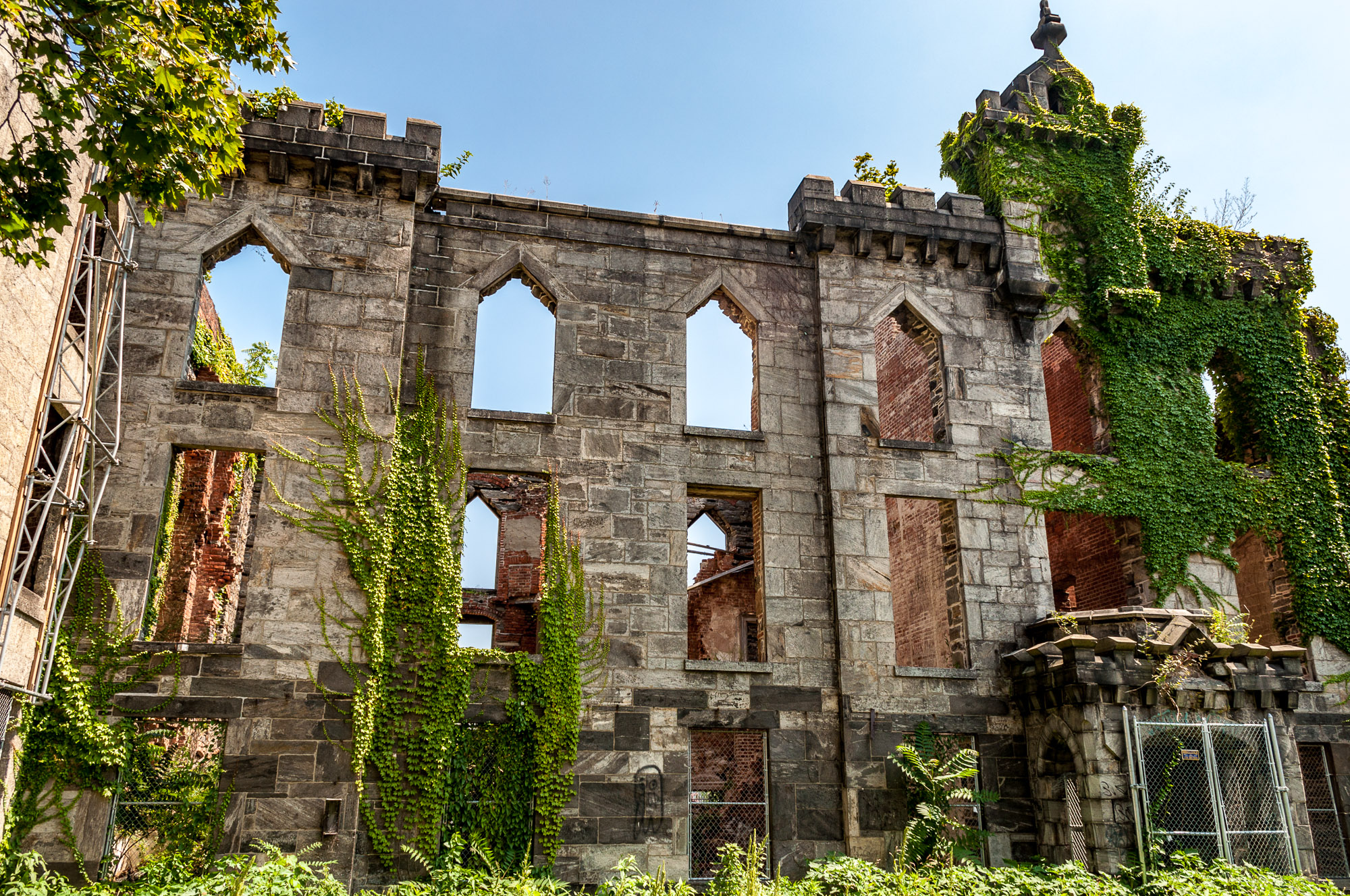
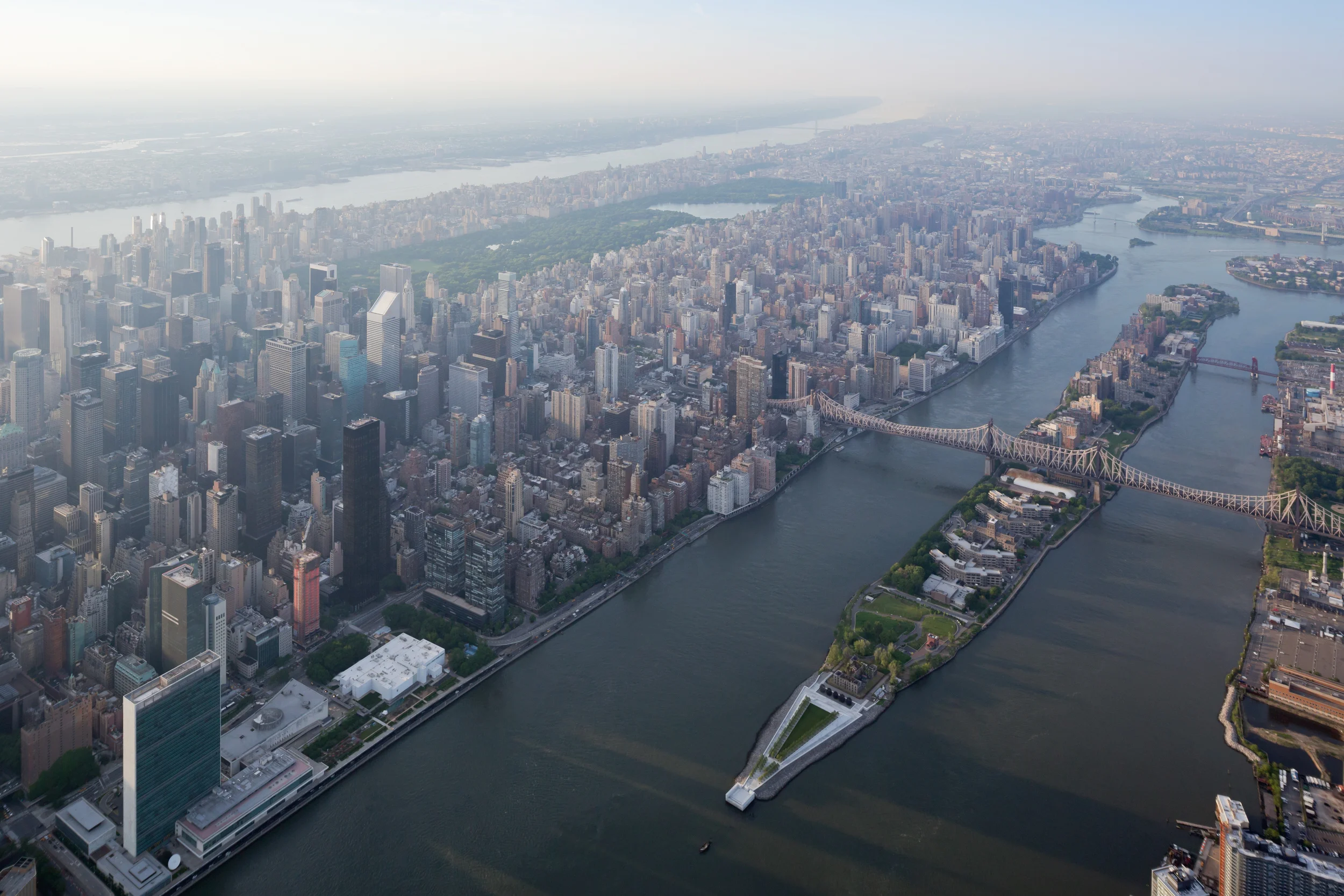
In 1854, New York began building a hospital on Blackwell’s Island for people with smallpox. Designed by James Renwick Jr., it opened in 1856.
The hospital was built for isolation: patients with a dangerous and highly contagious disease could be treated away from the rest of the city.
For decades, the building served people with smallpox and other infectious diseases. Its location on an island was part of the city’s strategy for containing disease.
A place shaped by public health
After the Smallpox Hospital closed in 1886, the building became a home and training school for nurses.
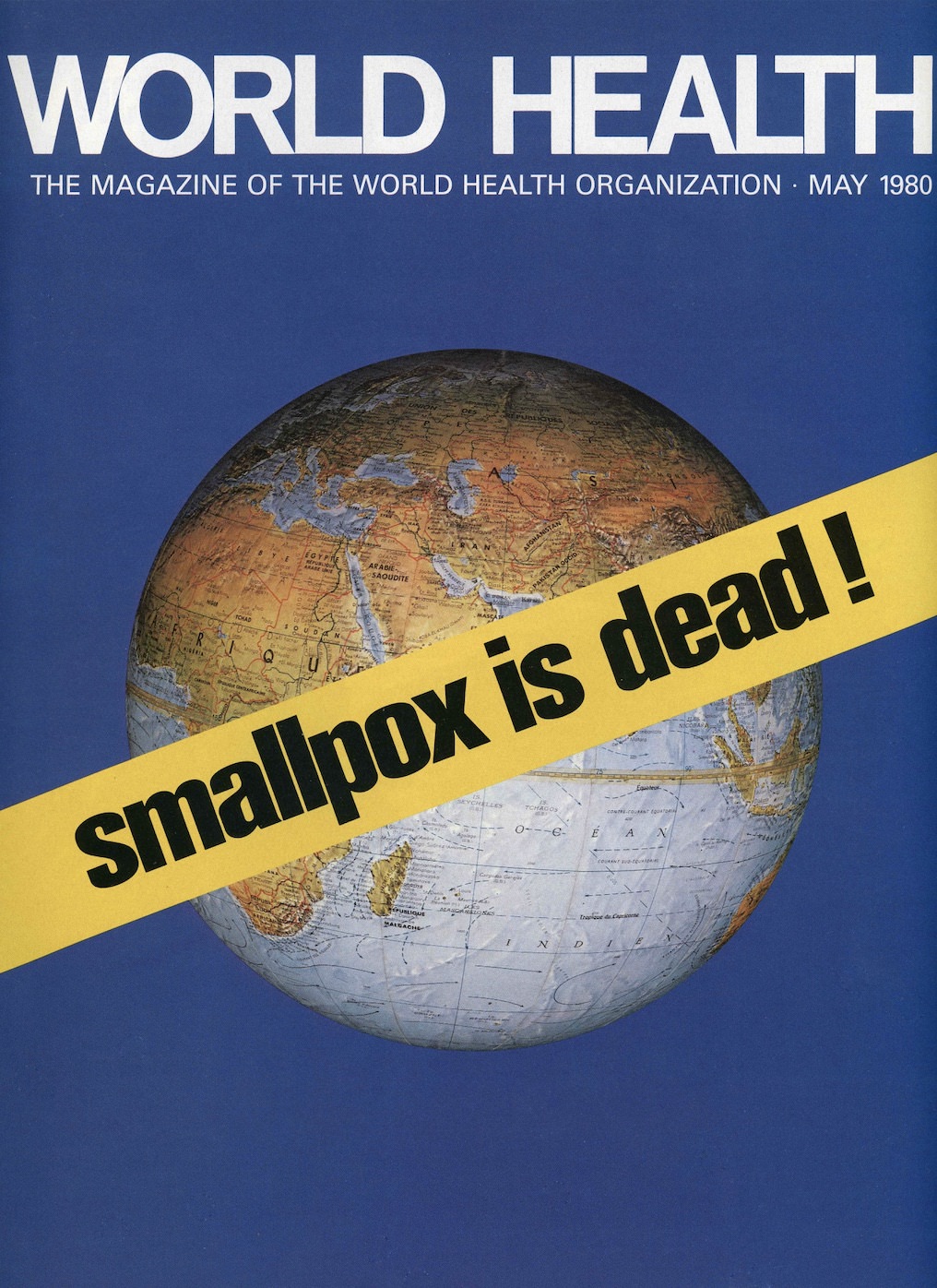
Over the following decades, vaccination transformed the fight against smallpox. In 1980, the World Health Organization declared the disease eradicated.
The hospital, no longer needed, was eventually abandoned. Its roof and floors disappeared. The stone walls remained.
Imagine walking into it
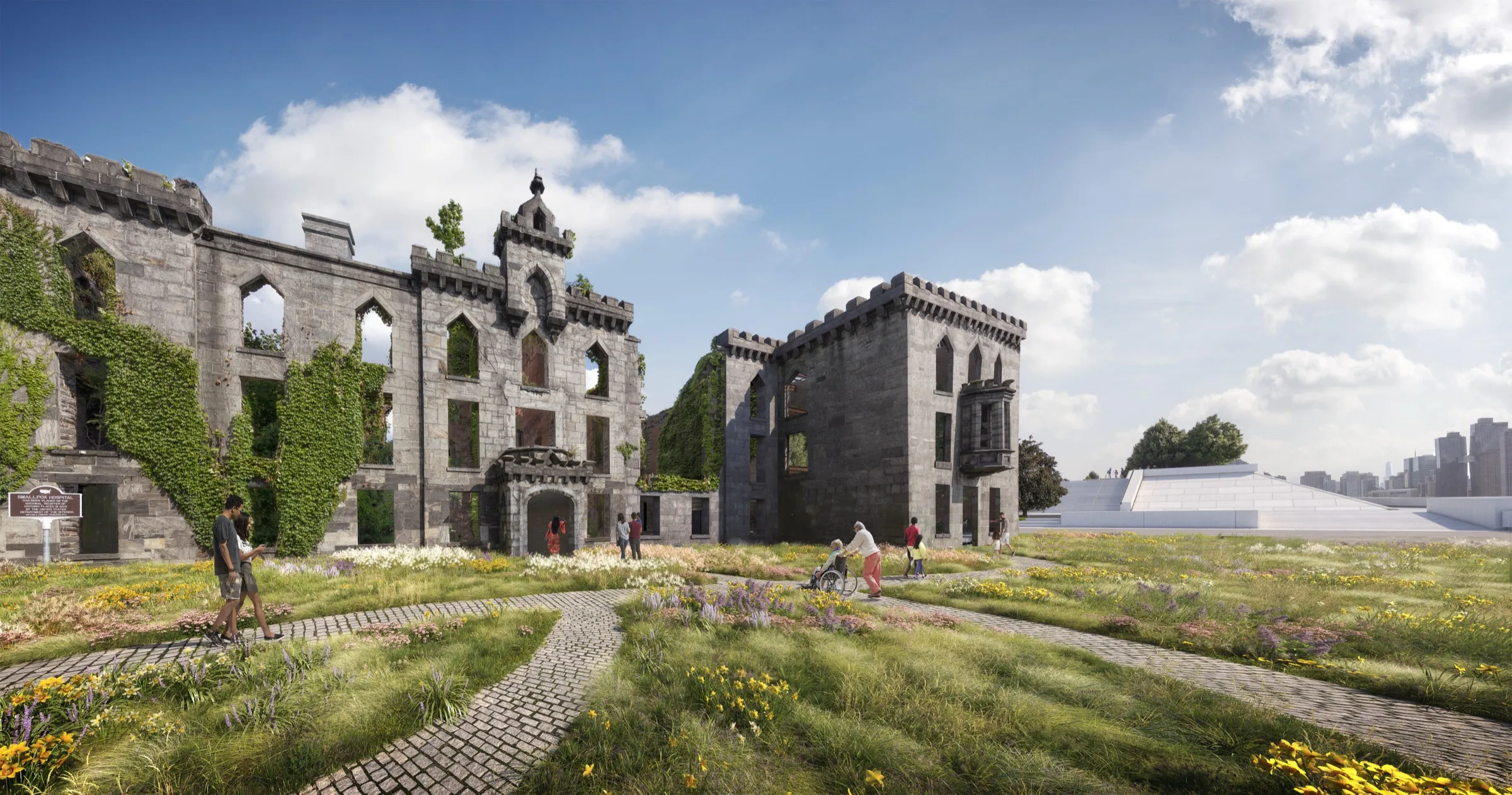
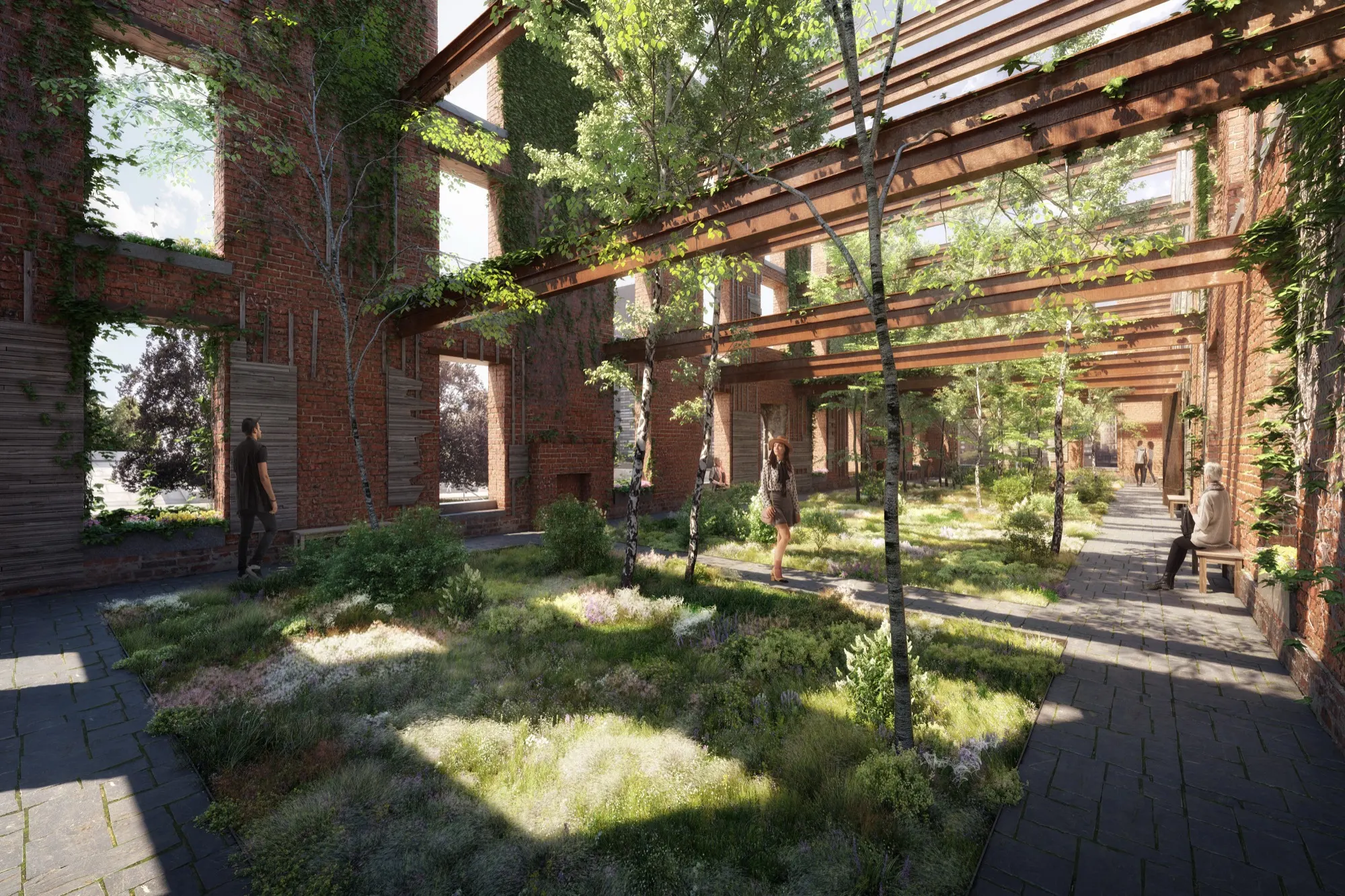
The proposal is not to rebuild the hospital, but to stabilize the existing walls, restore the landscape, and open the site to the public.
The ruin would remain a ruin: open to the sky, surrounded by a restored landscape, and accessible for people to walk through and experience.
Support our efforts
Friends of the Ruin advocates for the preservation and public use of the Smallpox Hospital.
The organization is raising funds to stabilize the building, repair its grounds, and open the site to the public, free of charge.